For a limited time, enjoy discounts on our most popular park model tiny homes. Now is the perfect time to build your development, adventure retreat, wellness resort, or dream home.
Outdoor wellness retreats are becoming a defining segment of modern hospitality. Today’s wellness travelers are seeking places that are restorative, intentional, and deeply connected to nature—places and experiences that offer a slower pace and recovery from the stress and concerns of everyday life.
At Wind River, we work with developers, operators, and landowners who understand that successful wellness retreats are built on thoughtful design decisions. Below are the core amenities we see consistently shaping high-performing outdoor wellness destinations.
1. Sauna & Thermal Experiences
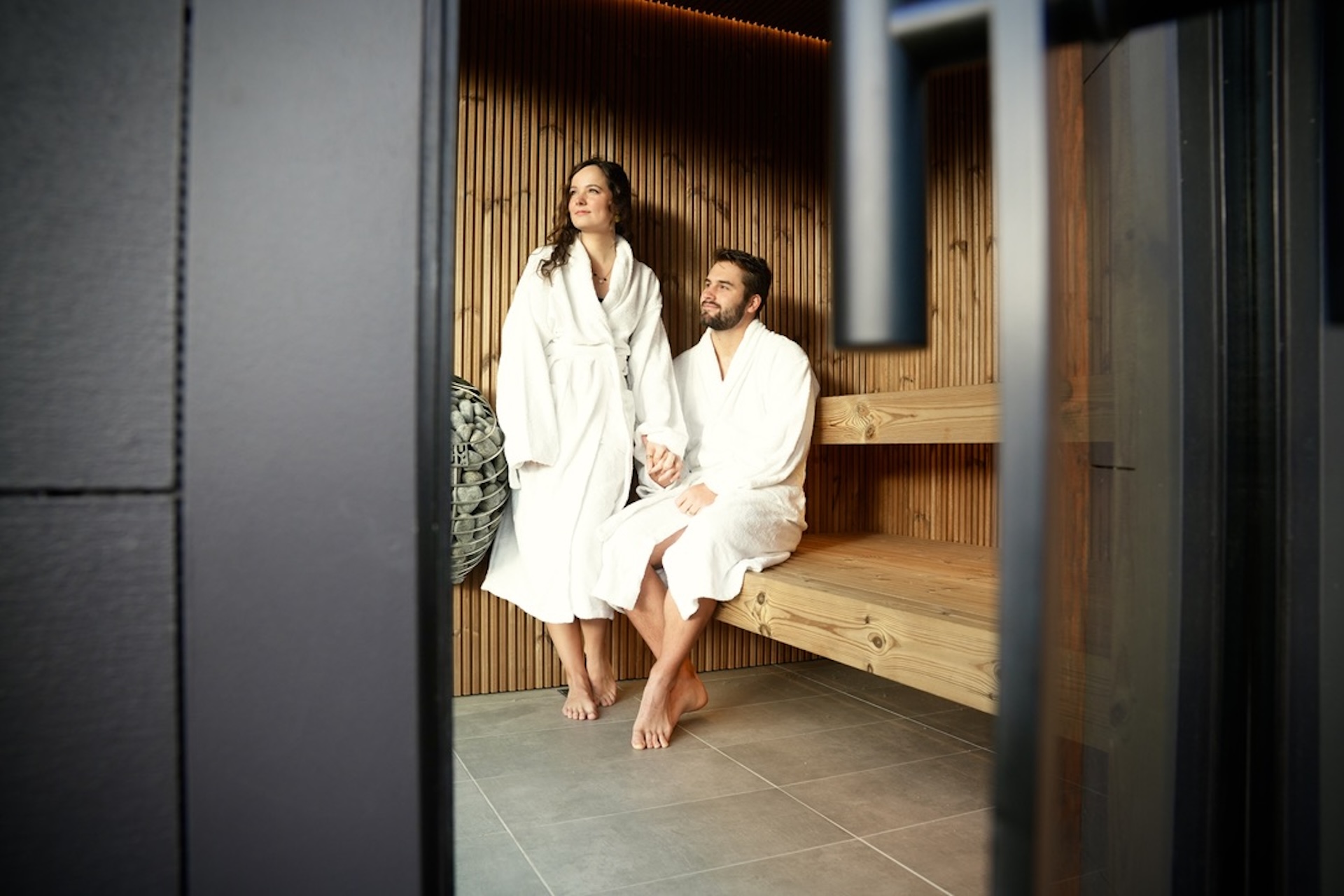
Saunas have become a cornerstone of wellness-focused hospitality. Outdoor sauna experiences—particularly when paired with cold plunges or open-air showers—offer guests both physical benefits and a deeply place-based experience.
Whether designed as standalone sauna cabins or integrated into larger wellness rooms, thermal amenities often become the centerpiece of a retreat. With relatively small footprints, minimal maintenance, and efficient infrastructure requirements, saunas offer exceptional perceived value, making them one of the most impactful and cost-effective investments in a wellness-focused development.
2. Dedicated Spaces for Movement & Stillness
Wellness retreats require spaces intentionally designed for pause and presence. Guests expect environments where movement, meditation, and mindfulness feel natural and intuitive—integrated into the landscape rather than staged.
Common elements include: – Open-air yoga pavilions oriented toward views or natural light – Covered decks that support year-round programming – Quiet meditation rooms thoughtfully tucked into the site
The most compelling wellness destinations treat these spaces as core architectural elements, not afterthoughts.
3. Nature-Immersive Accommodations
The tone for the entire retreat experience is set by the guests’ sleeping environment. Wellness accommodations should feel calming, efficient, and intentional—designed to avoid distraction and support deep rest. High-performing retreat units prioritize abundant natural light, framed views, and clean, simple interiors rooted in natural materials. Sleeping accommodations are quiet and visually restrained, while private outdoor spaces extend the experience beyond the walls, offering moments for reflection and connection to the landscape.
When designed with clarity and cohesion, right-sized cabins often outperform larger units, delivering a more meaningful guest experience through thoughtful restraint.
4. Fire Features & Communal Gathering Areas
Fire brings people together in a way few amenities can. Thoughtfully designed fire features serve as social anchors within a wellness retreat, creating natural moments for connection, reflection, and evening programming.
These spaces often include:
– Central fire pits or fire circles designed for gathering – Shared seating areas that encourage conversation and lingering – Quiet nighttime zones that support reflection after dark
While simple in concept, well-placed fire features consistently become some of the most memorable spaces on a wellness property.
5. Thoughtful Culinary & Nourishment Spaces
Food plays a fundamental role in the wellness experience—even when offerings are minimal or seasonal. Retreats don’t need full-scale restaurants to deliver meaningful nourishment. Instead, success comes from designing spaces that support flexibility, connection, and quality.
Effective approaches often include:
– Flexible communal dining pavilions that adapt to group size and programming – Teaching kitchens that support workshops, residencies, or wellness experiences – Tea stations, hydration bars, or curated grab-and-go options – Partnerships with local farms or chefs that reinforce a sense of place
Designing adaptable culinary spaces allows operators to scale offerings over time while avoiding unnecessary complexity or overbuilding.
6. Trails, Quiet Zones & Outdoor Experiences
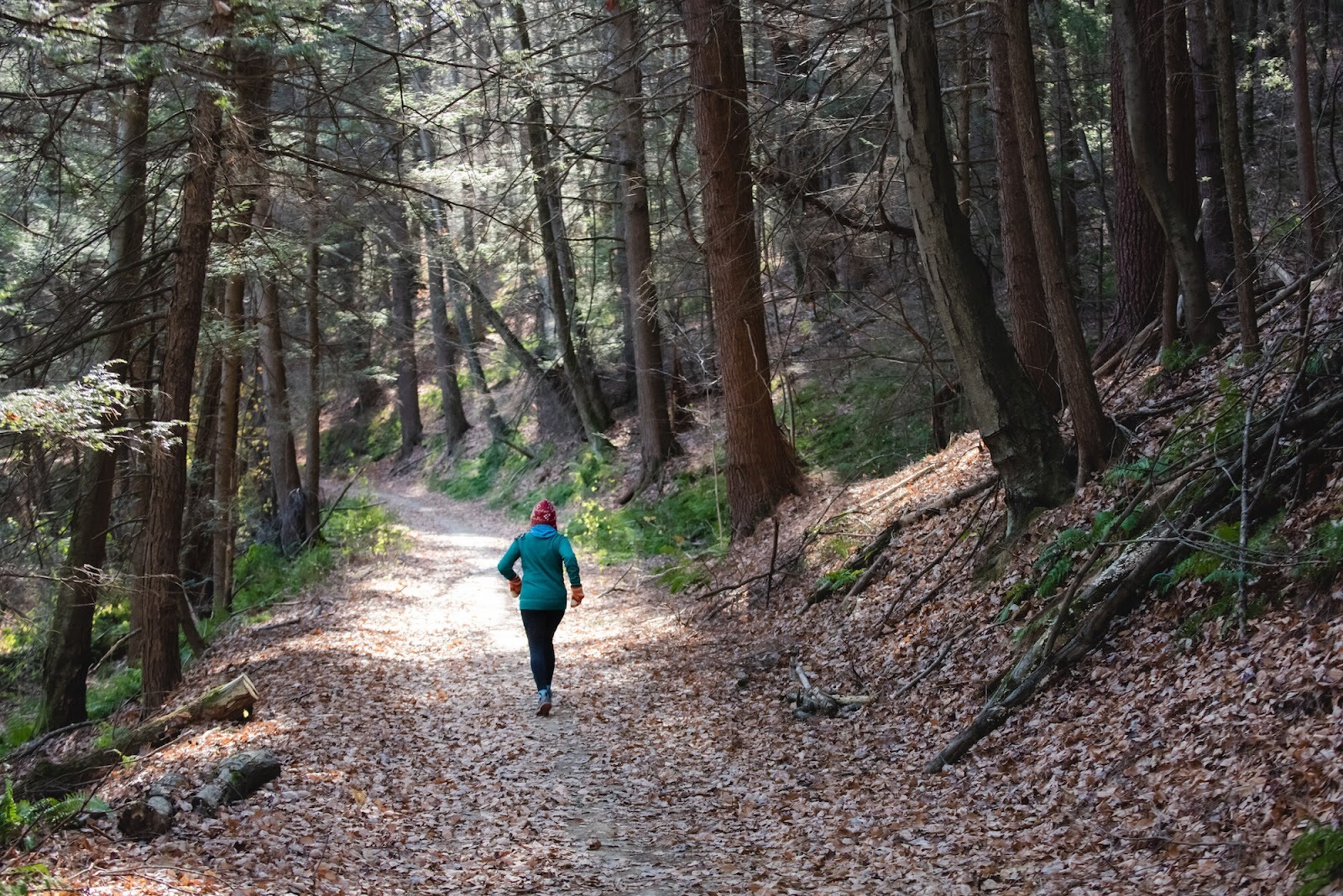
Wellness retreats are most successful when guests feel connected and encouraged to engage with the natural surroundings. Simple outdoor experiences often deliver the greatest impact.
Low-infrastructure, high-value elements may include:
– Walking and meditation trails that guide guests through the landscape – Hammock groves and quiet reading nooks tucked into natural settings – Outdoor labyrinths or contemplative paths designed for mindful movement – Scenic overlooks with minimal seating that prioritize views over structures
Together, these features reinforce a strong connection to place while preserving the integrity of the natural environment.
7. Intentional Design & Smart Construction
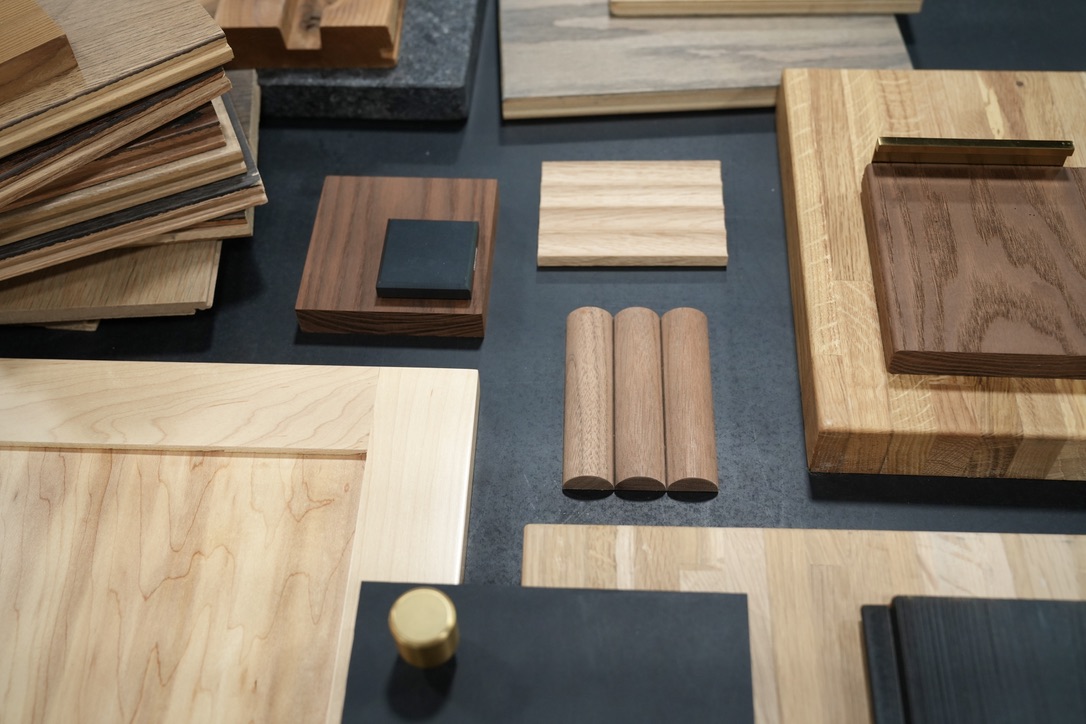
Behind every successful wellness retreat is a disciplined design and build strategy. Guests may not see or understand the systems at work, but they feel the difference in how a place flows, functions, and endures. The most effective projects integrate efficiently with the landscape, minimize site disruption, and rely on durable, low-maintenance natural materials that age gracefully over time.
Thoughtful, scalable building strategies allow retreats to grow without losing character or design clarity. At Wind River, we believe this level of intention is what enables wellness destinations to operate efficiently while still feeling deeply personal and rooted in place.
Designing Wellness Retreats That Endure
The most compelling outdoor wellness retreats are not defined by how much they offer, but by how clearly they’re designed—across both space and experience. Each amenity should support rest, connection, and a sense of calm, reinforcing a cohesive vision rather than competing for attention. When architecture, landscape, and guest experience align, even modest retreats can create lasting impact.
If you’re exploring cabins, saunas, or modular hospitality units for a wellness-focused project, designing with intention from the start is what sets enduring destinations apart.





.png)
.jpeg)



.avif)


